
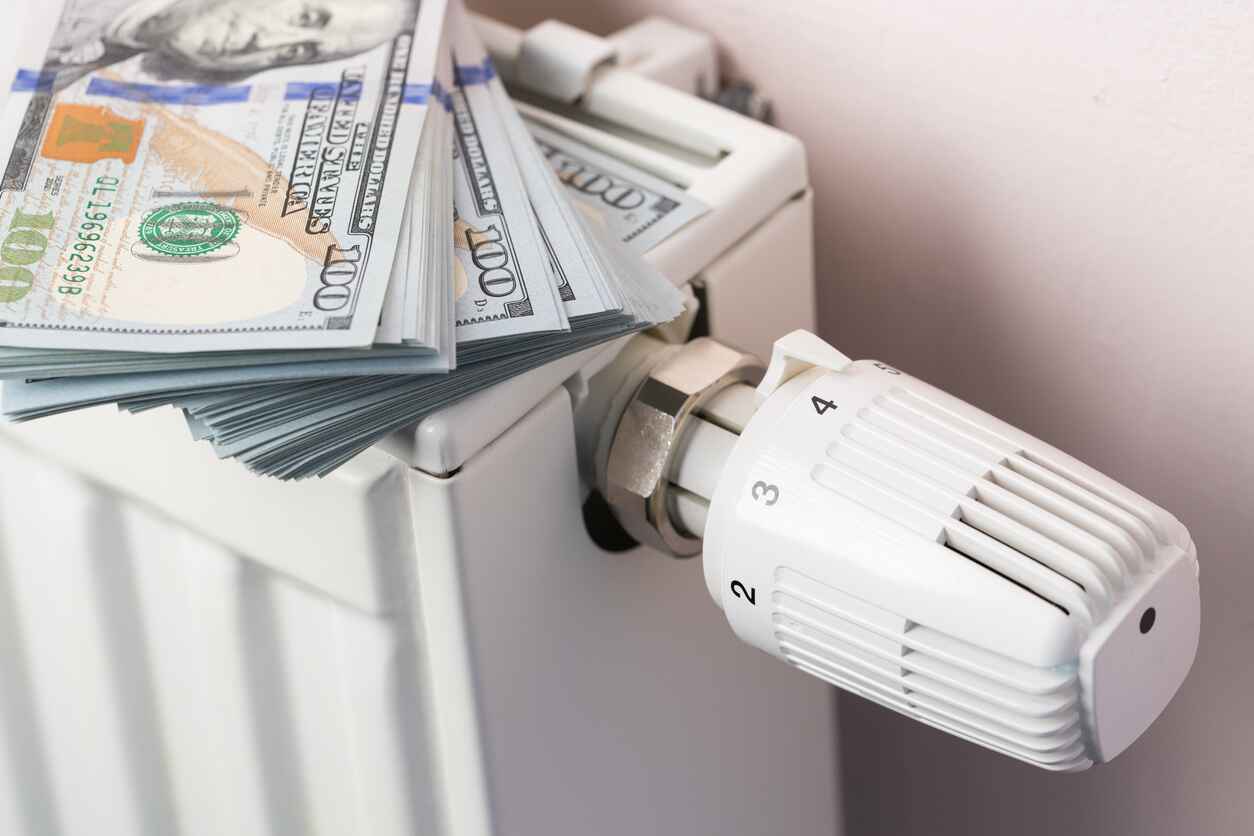
Investing in a commercial HVAC system is one of the most significant capital expenditures a property owner or facility manager in Santa Maria will face. Whether you’re managing a retail shop downtown or a warehouse near the airport, your HVAC system impacts occupant comfort, inventory safety, and monthly overhead.
In Santa Maria, commercial HVAC installation costs are driven by building architecture, local coastal conditions, and California’s strict energy mandates. To budget effectively, you must look beyond the initial equipment price tag and consider the long-term operational value.
This guide focuses on the 8 core factors that directly dictate the quote you receive from a contractor, providing the financial clarity you need to navigate your next installation.
8 Key Drivers of Commercial HVAC Installation Costs
1. System Type and Configuration
The technology you choose is the primary baseline for your budget. The “brain and brawn” of your setup varies wildly in price based on the mechanical complexity required to condition your specific space.
- Packaged Rooftop Units (RTUs): These are the workhorses of Santa Maria’s commercial sector. Because all components (compressor, coils, and fan) are housed in one cabinet, they are generally cost-effective to install and save valuable interior square footage.
- Split Systems: These involve separate indoor and outdoor components. They are common in smaller commercial buildings but can become expensive if long refrigerant lines are needed to connect the two halves, increasing both labor and material costs.
- VRF/VRV Systems: Variable Refrigerant Flow systems are the “gold standard” for efficiency. They can heat one room while cooling another simultaneously. While the equipment is significantly more expensive upfront, the long-term energy savings in multi-zone buildings are unparalleled.
- Chillers and Boilers: Usually reserved for large-scale facilities or hospitals, these systems use water or glycol to move thermal energy, requiring specialized piping and much higher labor costs than standard air-based systems.
2. Cooling Capacity and Building Footprint
In the HVAC world, size is measured in tonnage – the amount of heat a system can remove from a space in one hour. Naturally, a 20-ton system costs more than a 5-ton system, but the calculation isn’t just about square footage.
- Thermal Load: A 5,000-square-foot warehouse with no windows has a much lower “load” than a 5,000-square-foot restaurant with hot ovens and high foot traffic.
- Occupancy Density: Following ASHRAE 62.1 standards, buildings with higher density require more fresh air ventilation, increasing system capacity requirements.
- The Cost of “Sizing”: In Santa Maria, calculating the load accurately is critical. An undersized unit will burn out quickly trying to keep up, while an oversized unit will “short-cycle,” leading to high humidity and inflated energy bills.
3. Energy Efficiency and Title 24 Compliance
In Santa Maria, energy efficiency isn’t just a “green” choice – it’s a regulatory mandate.
- California Title 24: These Building Energy Efficiency Standards are the strictest in the nation. To secure a permit in Santa Maria, your system must meet specific efficiency thresholds (SEER2/EER2 ratings), which often mandates the purchase of premium, high-efficiency equipment.
- Upfront Cost vs. ROI: High-efficiency units qualify for federal tax deductions and local PG&E business rebates.In our moderate climate, the “simple payback” on a high-efficiency unit is often shorter than most owners realize.
4. Ductwork Design and Infrastructure
If you are retrofitting an older building in Santa Maria, your ductwork is the “wildcard” factor that can double your budget.
- Condition of Existing Ducts: If existing ducts are leaky, uninsulated, or undersized for modern high-efficiency blowers, they must be modified or replaced.
- Custom Fabrication: In modern “industrial-chic” offices with exposed ceilings, the ductwork must be aesthetically pleasing. Custom-fabricated spiral ducts or high-end materials increase both material costs and the labor hours required for a clean look.
- Airflow Balancing: A professional installation includes “balancing” the system to ensure every room receives the correct amount of air. This precision labor is critical for avoiding “hot spots” in your building.
5. Installation Labor and Project Complexity
Commercial HVAC installation is a high-skill trade requiring specialized technicians. You aren’t just paying for the equipment; you are paying for the expertise to ensure it doesn’t fail prematurely.
- Project Timeline: A standard replacement might take two days, while a full-scale commercial build-out can take weeks.
- Coordination Costs: Large projects require the HVAC contractor to sync with electricians (for high-voltage power), plumbers (for condensate drainage), and structural engineers (to ensure the roof can support the weight).
- Phased Installation: If you need to keep your business open during the install, the contractor may need to work in “phases” or after-hours, which adds a premium to the labor rate.
6. Building Codes, Permits, and HERS Testing
The City of Santa Maria requires specific permits for commercial mechanical work to ensure safety and code compliance.
- Permit Fees: These are generally based on the total valuation of the project.
- HERS Testing: California law requires Home Energy Rating System (HERS) testing for almost all commercial installs. This involves a third-party inspector verifying that the ducts aren’t leaking and the system is performing to state standards. This is a fixed cost that must be factored into every professional quote.
- Refrigerant Handling: Proper disposal of old refrigerants (like R-22) is strictly regulated. Professional contractors must use recovery machines and provide documentation, which carries a necessary service fee.
7. Equipment Accessibility and Site Logistics
The physical logistics of moving a 1,000-pound unit onto a roof is a significant cost variable.
- Roof Curbs and Adapters: If you are replacing an old unit with a new brand, the “curb” (the metal frame the unit sits on) likely won’t match. A custom curb adapter is usually required to ensure a watertight seal, adding to both material and labor costs.
- Structural Support: Modern units are often heavier than their 20-year-old predecessors. If your roof cannot support the new weight, you may need structural steel reinforcements.
8. Local Climate and Coastal Factors
Santa Maria’s geography creates unique engineering challenges that directly affect the equipment specs you need.
- Coastal Corrosion: If your property is near the coast, salt air will corrode standard aluminum fins in a few short years.
- Protective Coatings: Professional contractors in Santa Maria often recommend units with anti-corrosive coatings. While this adds a few hundred dollars to the upfront cost, it can double the life of the unit in our marine environment.
- Economizers: Because Santa Maria has cool nights, we can install “economizers” that pull in cool outdoor air to condition the building without running the compressor. While the hardware adds to the install cost, it drastically reduces long-term electricity usage.
Smart Ownership: Strategies to Manage Your Investment
Beyond the core factors above, savvy property owners use these strategies to manage the total cost of ownership:
Timing and Seasonal Demand
In Santa Maria, demand spikes during the first heatwave of late spring. Scheduling your installation during “shoulder seasons” (late autumn or early spring) can lead to more competitive labor rates and shorter lead times for equipment.
Preventive Maintenance Agreements
The “cost” of an HVAC system should be viewed over its 15-to-20-year lifespan. Many contractors offer bundled deals where a maintenance plan is included in the installation price. This ensures your warranty remains valid and your system maintains its efficiency.
Lifecycle Costing
A unit that is $5,000 cheaper today but costs $1,000 more per year to run is a poor investment. Always ask your contractor for an estimated “payback period” on high-efficiency equipment.
Why Partner with Viking Mechanical for Your Installation?
Calculating the cost of a commercial HVAC installation in Santa Maria involves much more than just picking a unit out of a catalog. From navigating Title 24 energy compliance to accounting for the corrosive coastal air, the variables are numerous and significant. While the upfront price is a major factor, the true value of your investment lies in the system’s reliability and the quality of the installation.
Choosing the lowest bid can often lead to higher operational costs and premature system failure. Instead, focus on a customized solution that fits your building’s specific architecture and usage patterns. Working with an experienced local professional ensures that your system is designed to handle Santa Maria’s unique climate while keeping your long-term energy bills in check. At Viking Mechanical, we specialize in providing tailored HVAC solutions that prioritize both performance and value.
Get Your Custom Estimate Today
Don’t leave your commercial comfort to chance. Contact Viking Mechanical today for a comprehensive site evaluation and a transparent, detailed quote tailored to your Santa Maria property.